Policy Advisor - Energy, Natural Resources, and Tribal Affairs
District of Columbia, USA (Unknown)
Posted 10 days ago
Job Summary
Own and advance policy initiatives across energy, natural resources, Tribal affairs, water, and environmental policy, coordinating the Senator's committee work and engagement with constituents, agencies, and stakeholders.
- Lead bipartisan legislative initiatives
- Serve as primary liaison to stakeholders and partners
- Translate complex policy issues into actionable guidance
Job Description
Responsibilities
- advising the Senator on policy and legislative developments within the portfolio
- developing and advancing legislative initiatives with a focus on bipartisan solutions
- representing the Senator in meetings with constituents, Tribal governments, federal agencies, advocacy organizations, and industry stakeholders
- collaborating with partners in Arizona and Washington, D.C., to advance the Senator's policy priorities
Requirements
- The ideal candidate will have expertise across one or more of these policy areas, congressional or executive branch experience, strong judgment, and a demonstrated ability to translate complex policy issues into actionable advice.
Preferred
- Familiarity with Arizona's unique water, public lands, energy, and Tribal issues is a significant plus.

United States Senate

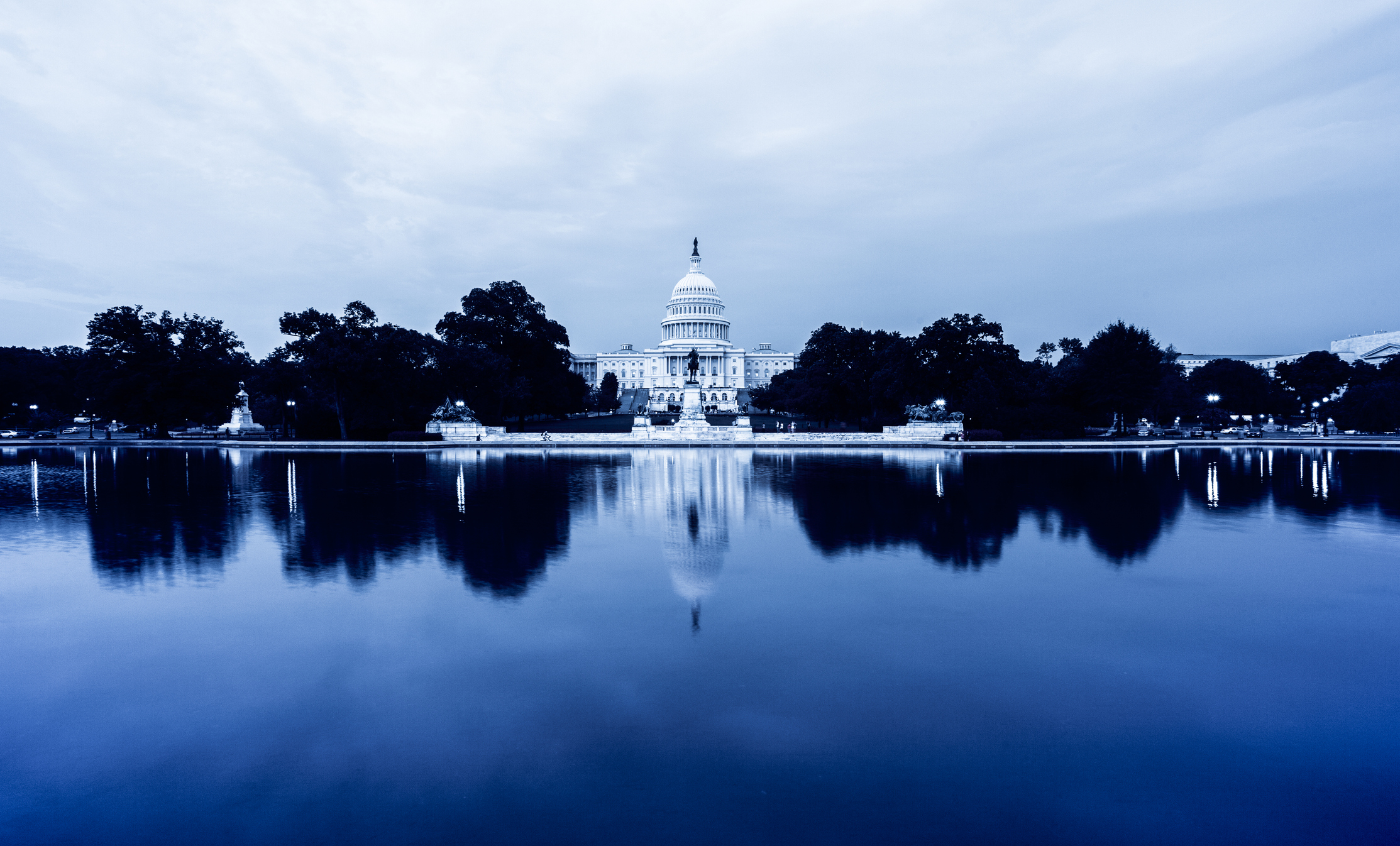
The United States Senate is a legislative chamber in the bicameral legislature of the United States of America, and together with the U.S. House of Representatives makes up the U.S. Congress. First convened in 1789, the composition and powers of the Senate are established in Article One of the U.S. Constitution. Each U.S. state is represented by two senators, regardless of population, who serve staggered six-year terms. The chamber of the United States Senate is located in the north wing of the Capitol, in Washington, D.C., the national capital. The House of Representatives convenes in the south wing of the same building.The Senate has several exclusive powers not granted to the House, including consenting to treaties as a precondition to their ratification and consenting to or confirming appointments of Cabinet secretaries, federal judges, other federal executive officials, military officers, regulatory officials, ambassadors, and other federal uniformed officers, as well as trial of federal officials impeached by the House. The Senate is widely considered to be both a more deliberative and more prestigious body than the House of Representatives, due to its longer terms, smaller size, and statewide constituencies, which historically led to a more collegial and less partisan atmosphere.This page is managed by the Senate Employment Office.
Marketing Team
People


Traffic Signals
Headcount Trend
Recent News




















Links
Policy Advisor - Energy, Natural Resources, and Tribal Affairs
United States Senate · District of Columbia, USA · Unknown
