The 8 Essential Digital Marketing Job Requirements to Master in 2026
The landscape of digital marketing is constantly evolving, transforming roles, tools, and the very definition of success. Aspiring and veteran marketers alike face the challenge of keeping their skills sharp and relevant. Understanding the core digital marketing job requirements is no longer just about landing a job; it is about building a resilient, high-impact career. This guide serves as a detailed blueprint, breaking down the fundamental competency areas that define modern marketing roles, from entry-level specialists to strategic leaders.
We will dissect the specific skills, tools, and experience levels that hiring managers are actively searching for across the most in-demand specializations. Our goal is to provide a clear roadmap that helps you not only meet but exceed expectations in your job search or career progression. For each core area, we will explore the nuanced requirements for different seniority levels, from associate to director, offering tangible examples and insights.
Think of this as your field guide to navigating the complexities of the marketing job market. We will cover how to translate these requirements into a powerful resume, complete with sample job posting snippets to show you exactly what employers are looking for. To ensure you can confidently assess your market value and negotiate your compensation, we will also link directly to salary benchmarks from SalaryGuide. This comprehensive roundup is designed to equip you with the knowledge to strategically plan your next career move, whether you are just starting out or aiming for a leadership position. Let's dive into the essential requirements that will define your success.
1. Data Analytics & Interpretation
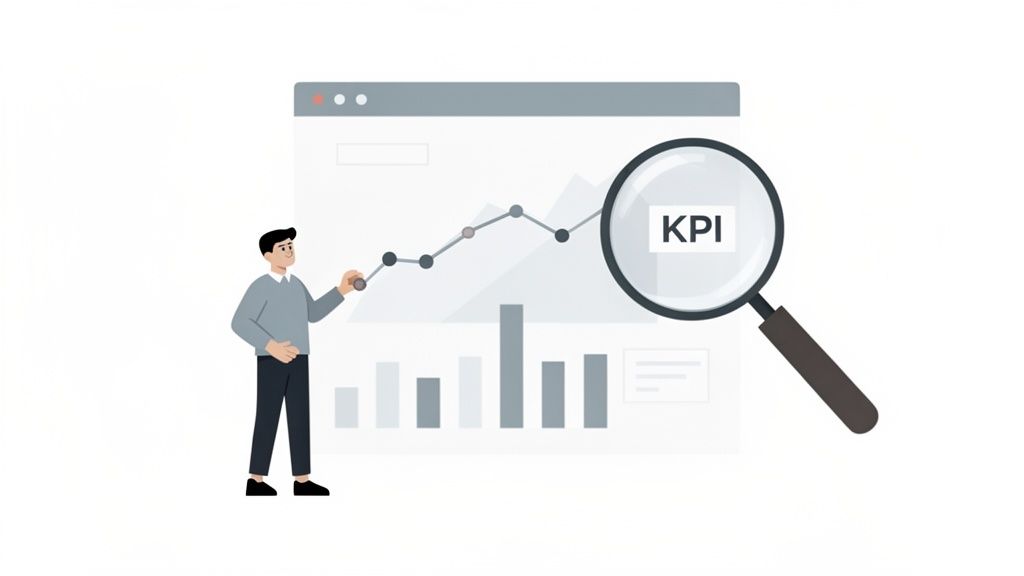
At the core of modern digital marketing lies the ability to collect, analyze, and interpret data to inform strategy and measure performance. This foundational skill enables marketers to demonstrate return on investment (ROI), optimize budgets, and make data-driven decisions. The demand for analytical proficiency is a consistent theme across nearly all digital marketing job requirements, from entry-level coordinators to CMOs.
Why Data Skills Are Non-Negotiable
Gone are the days of marketing based on gut feelings alone. Companies now expect marketers to quantify their impact. For example, Netflix uses viewer data to drive its entire content strategy, from commissioning new shows to personalizing user homepages. Similarly, Amazon's recommendation engine is a product of continuous A/B testing and customer behavior analysis, directly tying data interpretation to revenue growth. Strong analytical skills allow you to translate raw numbers into a compelling narrative that justifies marketing spend and guides future campaigns.
How to Build Your Analytical Muscle
Developing your data interpretation skills is a tangible process. For those looking to specialize, exploring the path to becoming a marketing analyst can provide a structured career roadmap. To truly excel, marketers must understand campaign performance across different platforms. Gaining insights by mastering social media analytics and reporting is an excellent way to build specialized expertise in a high-demand area.
Here are actionable steps to enhance your data skills:
- Start with the Foundation: Earn a Google Analytics 4 (GA4) certification. It's a free, industry-recognized credential that provides a fundamental understanding of web traffic and user behavior analysis.
- Learn to Query Data: Gain basic SQL knowledge. This allows you to pull specific data directly from databases, making you more self-sufficient and capable of deeper analysis.
- Practice Visualization: Build dashboards in tools like Looker Studio or Tableau. Commit to updating or creating a new one quarterly to stay sharp and showcase your ability to present complex data clearly.
- Focus on Storytelling: Instead of presenting raw numbers, frame your findings as a story. Explain what happened, why it happened, and what the business should do next based on the insights.
2. SEO (Search Engine Optimization) Expertise
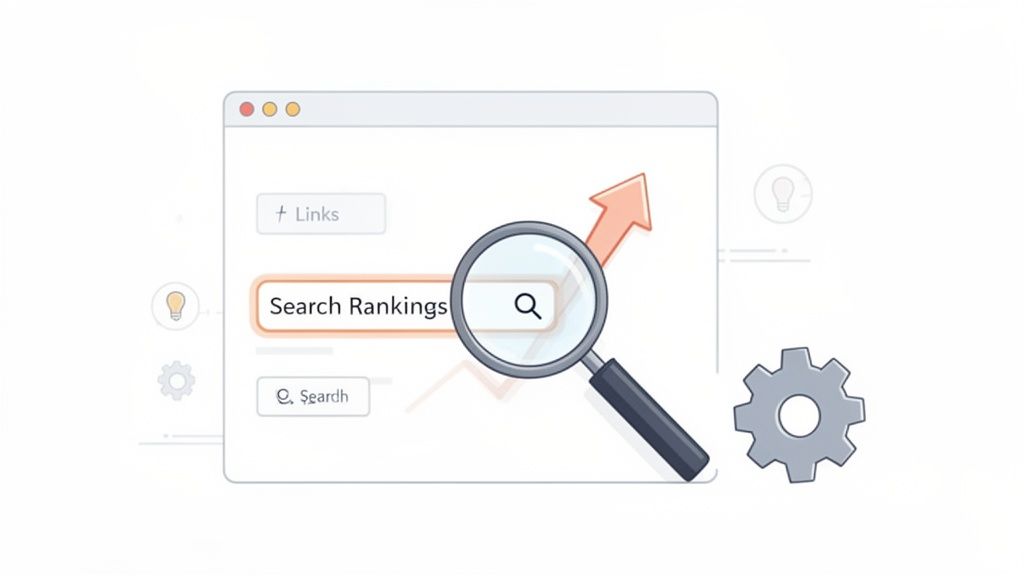
Mastery of SEO is a critical component of nearly all digital marketing job requirements. It involves the strategic and technical process of optimizing websites and content to achieve higher rankings in organic search results. This expertise directly translates into increased brand visibility, qualified traffic, and measurable business growth, making it a highly sought-after skill for driving sustainable, long-term results.
Why SEO Skills Are Essential
In a world where most customer journeys begin with a search engine, appearing on the first page of Google is not just an advantage; it's a necessity. Companies that excel at SEO dominate their markets. For example, HubSpot built a multi-million dollar business by creating a massive blog that ranks for thousands of marketing-related keywords, attracting a steady stream of organic leads. Similarly, Backlinko, founded by Brian Dean, built its entire brand reputation on transparent, highly effective SEO strategies that deliver tangible ranking improvements. Proficiency in SEO demonstrates an ability to attract high-intent customers without paying for every click.
How to Build Your SEO Expertise
Developing deep SEO knowledge requires a blend of technical understanding, content strategy, and continuous learning. For those looking to chart a career path in this specialty, understanding the detailed qualifications is key. Exploring the common SEO specialist job requirements provides a clear roadmap for what employers are looking for at every level. This focus allows you to build a valuable and in-demand skill set.
Here are actionable steps to enhance your SEO skills:
- Earn Foundational Certifications: Complete the free Google SEO Fundamentals and HubSpot SEO certifications. These provide a comprehensive overview of core principles and best practices.
- Master a Core Tool: Instead of learning many tools superficially, gain deep expertise in one industry-standard platform like Ahrefs or Semrush. Use it for keyword research, site audits, and competitor analysis.
- Build a Portfolio: Create a personal blog or offer to help a small business. Track your progress and document traffic growth and ranking improvements to create a compelling case study.
- Stay Informed: Follow industry publications like Search Engine Journal and SEO Round Table daily. The search landscape changes constantly, and staying current is non-negotiable.
3. Paid Advertising & PPC Management
Expertise in paid advertising and pay-per-click (PPC) management is a critical skill for driving immediate, measurable results. This involves strategically managing paid campaigns across platforms like Google Ads, Meta, LinkedIn, and TikTok. Core competencies include campaign strategy, bid optimization, creative testing, conversion tracking, and budget allocation to maximize return on ad spend (ROAS). Proficiency in paid media is one of the most in-demand digital marketing job requirements, as it directly ties marketing efforts to revenue generation.
Why Paid Media Skills Are Non-Negotiable
While organic marketing builds long-term value, paid advertising delivers targeted traffic and leads on demand. Companies rely on PPC specialists to scale customer acquisition quickly and predictably. For instance, Slack's aggressive LinkedIn advertising strategy was instrumental in targeting and winning enterprise-level buyers. Similarly, countless direct-to-consumer (D2C) brands like Warby Parker built their empires by optimizing paid social campaigns on Facebook and Instagram to achieve a profitable customer acquisition cost (CAC). Mastery of these channels allows marketers to turn advertising budgets directly into business growth.
How to Build Your Paid Advertising Muscle
Developing strong PPC skills requires a blend of analytical rigor and creative strategy. A common career path is to start as a PPC specialist, focusing on platforms like Google or Meta before expanding your expertise. Demonstrating your ability to manage budgets effectively and prove ROI with hard data is the fastest way to advance.
Here are actionable steps to enhance your paid media skills:
- Get Certified: Obtain Google Ads certifications (Search, Display, Video, and Shopping). These are industry-standard credentials that validate your platform knowledge. Supplement this with a Meta Blueprint certification to prove your expertise in social advertising.
- Master Conversion Tracking: Before you can optimize a campaign, you must be able to measure it accurately. Learn how to implement conversion tracking using Google Tag Manager and understand how to troubleshoot common tracking issues. This is a foundational, non-negotiable skill.
- Build Case Studies: Document your campaign results. Create case studies that showcase specific metrics like ROAS, cost per acquisition (CPA), and revenue generated. Quantifiable results are far more impressive than a simple list of responsibilities.
- Focus and Expand: Start by mastering one platform deeply, such as Google Search or Facebook Ads. Once you can consistently deliver results on one channel, begin expanding your skillset to others like LinkedIn Ads, TikTok, or programmatic display.
4. Content Strategy & Creation
Effective content is the engine of modern digital marketing, powering everything from brand awareness to lead generation. This skill involves developing a comprehensive strategy aligned with business goals and creating engaging content across multiple formats like blogs, videos, and whitepapers. Proficiency in content is a core digital marketing job requirement, as it directly influences organic visibility, audience engagement, and thought leadership.
Why Content Skills Are Non-Negotiable
Content is how brands build trust and provide value long before a sale ever happens. For example, HubSpot built its entire inbound marketing empire on providing exceptional educational content, attracting customers by solving their problems. Similarly, Moz's "Whiteboard Friday" video series became an industry staple, establishing its authority in the SEO space and building a loyal community. These examples show that strategic content creation isn't just about filling a blog; it's about becoming an indispensable resource for your target audience, which in turn drives business growth.
How to Build Your Content Muscle
Developing a strategic content mindset requires a blend of creativity, analytical thinking, and technical skill. For those looking to specialize, understanding the full scope of this career path is crucial, and learning more about what a content strategist does can provide a detailed roadmap. Mastering content involves not just writing but understanding the entire lifecycle, from ideation to distribution and performance analysis.
Here are actionable steps to enhance your content skills:
- Master a CMS: Become an expert in a popular Content Management System like WordPress or HubSpot CMS. Understanding the backend architecture is essential for publishing and optimizing content effectively.
- Develop a Point of View (POV): Don't just regurgitate information. Create a unique brand voice or perspective that differentiates your content from competitors and builds a loyal following.
- Embrace Video: Learn basic video editing with accessible tools like CapCut or Descript. As video consumption continues to soar, this skill makes you a more versatile and valuable marketer.
- Build a Performance-Driven Portfolio: Create a portfolio showcasing your work, but be sure to include specific metrics. Detail how your content increased organic traffic, generated leads, or improved engagement rates to demonstrate tangible business impact.
5. Social Media Marketing & Community Management
This core skill involves building brand presence, engaging with audiences, and fostering loyal communities across various social platforms. Social media proficiency is a critical digital marketing job requirement, as it directly connects a brand with its customers. It blends creativity with strategy, covering content creation, community engagement, influencer partnerships, social advertising, and reputation management.

Why Social & Community Skills Are Essential
In an era of authenticity, consumers don't just buy products; they buy into brands and their communities. A strong social media presence transforms a faceless corporation into a relatable personality. Duolingo's viral TikTok strategy, for instance, used humor and trending memes to redefine its brand voice and reach a massive new audience. Similarly, Patagonia leverages its social channels for activism, building a fiercely loyal community around shared values, which directly translates to brand preference and customer loyalty.
How to Build Your Social Media Expertise
Developing these skills requires a mix of strategic thinking, creativity, and platform-specific knowledge. It's about more than just posting; it's about starting conversations and building relationships at scale. For those looking to grow, mastering the tools and tactics that facilitate this connection is key. A great place to start is by learning how to set up social media automation, which can free up time for high-impact engagement activities.
Here are actionable steps to enhance your social media and community management skills:
- Master One Platform: Become an expert on a single platform like TikTok or LinkedIn first. Understand its algorithm, culture, and best content formats before expanding your focus to others.
- Use Social Listening Tools: Regularly use tools like Sprout Social or Hootsuite to monitor brand mentions, track competitor activity, and identify opportunities for engagement.
- Build Micro-Influencer Relationships: Proactively connect with emerging creators in your niche. Building genuine relationships before they achieve celebrity status can lead to more authentic and cost-effective partnerships.
- Test and Iterate Constantly: Experiment with different content formats such as Reels, Carousels, Stories, and live video. Analyze performance data weekly to understand what resonates and double down on what works.
6. MarTech, Marketing Automation & CRM
Mastery of the marketing technology (MarTech) stack, including automation platforms and Customer Relationship Management (CRM) systems, is a critical technical and strategic skill. This expertise allows marketers to manage the entire customer lifecycle, nurture leads at scale, and create personalized experiences. Proficiency in these systems is a core digital marketing job requirement, bridging the gap between marketing strategy and technical execution.
Why MarTech Skills Are Non-Negotiable
Modern marketing runs on technology. Companies rely on interconnected systems to deliver seamless customer journeys and prove ROI. For example, HubSpot revolutionized SMB marketing by making sophisticated automation accessible, while Salesforce and its Pardot platform dominate the enterprise space by integrating sales and marketing data. Similarly, Klaviyo's explosive growth in e-commerce is built on its deep integration with platforms like Shopify and its focus on email and SMS automation. Without the skills to manage these tools, marketers cannot execute complex campaigns or track user behavior effectively from the first touchpoint to the final sale.
How to Build Your MarTech Muscle
Developing proficiency in marketing technology requires hands-on experience and a commitment to continuous learning. The key is to go deep on one platform rather than having superficial knowledge of many. Understanding how to manage data flows, set up integrations, and build workflows from scratch is far more valuable than simply knowing brand names. As technology evolves, proficiency with the best AI tools for marketers is also becoming essential for automating workflows and enhancing productivity within these platforms.
Here are actionable steps to enhance your MarTech skills:
- Get Certified: Complete a certification from a major platform. The HubSpot Academy offers free, comprehensive certifications that are widely recognized and highly valuable for building foundational skills.
- Master a Workflow: Don't just learn the theory. Build a complete lead nurturing sequence from scratch, including email templates, branching logic, and lead scoring rules.
- Understand Data Hygiene: Learn the principles of database management. A clean and organized CRM is the foundation of any successful marketing automation strategy.
- Learn to Connect Tools: Gain a basic understanding of APIs and use tools like Zapier to connect different marketing applications. Practice creating "zaps" that automate simple data transfers between platforms.
- Document Everything: Create detailed documentation for any technical setup or workflow you build. This practice reinforces your knowledge and becomes a valuable asset for your team.
7. Digital Marketing Strategy & Campaign Management
Beyond individual channel expertise, true marketing leadership requires the ability to develop integrated strategies and manage comprehensive campaigns. This skill involves synthesizing tactical knowledge of SEO, PPC, content, and social media into a cohesive plan that aligns with overarching business objectives. It's the bridge between marketing activities and measurable business outcomes like revenue growth and market share expansion, a non-negotiable for senior digital marketing job requirements.
Why Strategic Oversight Is a Game-Changer
Executing a flawless Google Ads campaign is valuable, but understanding how that campaign fits into a larger customer journey is what drives exponential growth. For instance, HubSpot’s entire inbound methodology is a masterclass in strategy, connecting blog content, social media engagement, and email nurturing into a unified system that generates and converts leads. Similarly, Amazon's success relies on an integrated strategy that combines its owned platforms (website, app), earned media (reviews), and paid advertising into a seamless customer experience, maximizing lifetime value. This high-level thinking separates a channel specialist from a marketing leader.
How to Cultivate Your Strategic Mindset
Developing strategic acumen is about connecting marketing actions to financial and business results. It requires a shift from focusing on channel-specific metrics to understanding key business indicators. This holistic view is what hiring managers seek for roles that carry significant budget and team responsibility.
Here are actionable steps to build your strategic and management skills:
- Develop Financial Acumen: Go beyond marketing metrics and learn to speak the language of the C-suite. Deeply understand concepts like Customer Acquisition Cost (CAC), Lifetime Value (LTV), and contribution margin to articulate the financial impact of your campaigns.
- Build a Strategic Portfolio: Don't just showcase campaign results; document the strategic thinking behind them. For each project, create a one-page summary detailing the business problem, your strategic hypothesis, the execution plan, and the ultimate business impact.
- Embrace Continuous Learning: Stay informed on macro-level market trends by regularly reading publications like Marketing Brew and CMO Today. This keeps your strategic thinking fresh and relevant.
- Mentor Junior Marketers: Teaching others is a powerful way to refine your own strategic thinking. Guiding a team member forces you to articulate complex concepts clearly and reinforces your leadership capabilities.
8. Brand Development & Marketing Communications
Beyond individual campaigns, a core digital marketing job requirement is the strategic ability to build, communicate, and evolve a brand’s identity. This skill involves shaping brand positioning, messaging, visual identity, and tone of voice across all touchpoints. It's about creating a unique and memorable presence that allows a company to compete on differentiation and value, not just price.
Why Brand Skills Are a Strategic Imperative
A strong brand is a powerful competitive moat. It creates an emotional connection that fosters loyalty and commands premium pricing. For instance, Apple's brand isn’t just about products; it's a narrative of innovation, premium design, and simplicity. This allows them to launch new products to an eager audience. Similarly, Patagonia has built its brand around environmental activism, attracting customers who share those values and are willing to pay more for a product that aligns with their identity. In a crowded digital space, a well-defined brand cuts through the noise and builds lasting equity.
How to Build Your Brand Expertise
Developing your brand strategy skills requires a blend of creative thinking and strategic analysis. It’s about understanding the psychology of perception and positioning, then translating that into tangible assets and communication frameworks. True brand experts can articulate a company's essence in a way that resonates with both internal teams and external audiences, ensuring consistency everywhere.
Here are actionable steps to enhance your brand skills:
- Master Messaging Frameworks: Practice developing positioning statements and value propositions. Create a messaging architecture that defines core themes, supporting points, and a consistent brand voice.
- Create Brand Guidelines: Go beyond a logo. Build a comprehensive brand guide that includes rules for visual identity (colors, fonts, imagery) and verbal identity (tone, grammar, key terminology).
- Build Case Studies: Document the business impact of brand initiatives you've worked on. Connect brand strategy to metrics like brand awareness, consideration, customer loyalty, and ultimately, revenue.
- Study the Greats: Analyze the brand strategies of companies like Nike, HubSpot, and Dollar Shave Club. Deconstruct how they built their narrative, voice, and market position over time.
8-Point Comparison: Digital Marketing Job Requirements
| Item | Implementation Complexity 🔄 | Resource Requirements ⚡ | Expected Outcomes 📊 | Ideal Use Cases 💡 | Key Advantages ⭐ |
|---|---|---|---|---|---|
| Data Analytics & Interpretation | Medium–High — requires analytics tools, stats and SQL | Analytics platforms, data engineers, dashboards, clean data | Improved ROI, optimized budgets, evidence-based decisions | Performance measurement, A/B testing, executive reporting | Direct revenue attribution, competitive insights |
| SEO (Search Engine Optimization) Expertise | Medium — technical + ongoing adaptation | Content production, SEO tools, developer support | Sustainable organic traffic, lower long-term CPA | Content-led growth, evergreen acquisition, product discovery | Cost-efficient acquisition, long-term authority |
| Paid Advertising & PPC Management | Medium–High — platform-specific complexity | Continuous ad spend, creative assets, platform specialists | Immediate, measurable conversions and scalable revenue | Product launches, demand capture, short-term growth pushes | Fast impact, clear ROI control |
| Content Strategy & Creation | Medium — cross-disciplinary planning and execution | Writers, designers, video, CMS, distribution channels | Brand authority, audience engagement, long-term organic ROI | Thought leadership, inbound marketing, funnel nurture | Supports all channels, creates evergreen assets |
| Social Media Marketing & Community Management | Medium — constant content cadence and moderation | Content creators, community managers, monitoring tools | High engagement, real-time feedback, awareness lift | Consumer brands, community building, viral campaigns | Direct audience connection, strong engagement rates |
| MarTech, Marketing Automation & CRM | High — integrations, workflows, technical setup | Paid platforms, engineers/ops, training, data hygiene | Scalable personalization, improved lead-to-revenue flows | Enterprise automation, lifecycle marketing, complex stacks | Automation at scale, sales-marketing alignment |
| Digital Marketing Strategy & Campaign Management | High — multi-channel coordination and leadership | Senior strategists, cross-functional teams, budget control | Coordinated campaigns, measurable business outcomes, growth | Company-wide growth strategy, leadership and executive roles | Positions for leadership, highest earning potential |
| Brand Development & Marketing Communications | Medium–High — long-term strategic commitment | Creative teams, research, consistent cross-team execution | Strong brand equity, pricing power, customer loyalty | Differentiation, premium positioning, reputation building | Sustainable competitive advantage, emotional connection |
Building Your Future-Proof Marketing Career
Navigating the landscape of digital marketing can feel like trying to hit a moving target. The platforms evolve, the algorithms shift, and consumer behaviors change with dizzying speed. Yet, as we've explored throughout this guide, the core pillars of a successful marketing career remain remarkably consistent. The roles may have different titles, but the underlying skills in data analytics, SEO, paid media, and content strategy are the foundational blocks upon which all modern marketing is built.
Understanding the specific digital marketing job requirements for each role is more than just a job-seeking exercise; it's a strategic imperative for long-term career resilience. The most successful professionals in this field are not passive participants. They are proactive, continuously learning, and strategically shaping their skill sets to meet future demand.
From Specialist to Strategist: The Power of T-Shaped Expertise
A recurring theme across every role, from an entry-level Social Media Coordinator to a VP of Marketing, is the value of developing a T-shaped skill set. This means cultivating deep, vertical expertise in one or two primary domains (the "I" of the T) while building a broad, horizontal understanding of how all other channels work together (the top bar of the T).
An SEO specialist who understands the fundamentals of PPC can create more holistic search strategies. A content creator who can interpret analytics can produce work that doesn't just engage but measurably converts. This cross-functional knowledge is what separates a tactical executor from a strategic leader. It empowers you to collaborate effectively, contribute to high-level planning, and ultimately drive more significant business impact.
To put this into practice, perform a self-audit using the eight domains covered in this article:
- Identify Your Core Strengths: Which two or three areas represent your deepest expertise? This is the foundation of your professional brand.
- Pinpoint Your Growth Areas: Where are the gaps in your knowledge? Be honest about the domains you understand least.
- Create a Targeted Learning Plan: Don't try to master everything at once. Select one or two adjacent skills to develop over the next quarter. This could involve pursuing a Google Analytics certification, taking a course on marketing automation, or managing a small personal project to learn the basics of a new platform.
Actionable Steps to Secure Your Next Role
Knowledge without application is just potential. To translate your understanding of digital marketing job requirements into tangible career progress, you must demonstrate your value. Your resume, portfolio, and interview performance are the vehicles for this.
- Quantify Everything: Don't just list your responsibilities; showcase your results. Instead of saying "Managed social media accounts," say "Grew organic Instagram followers by 45% and increased engagement by 20% in six months." Use hard numbers to prove your impact.
- Build a Portfolio of Results: Your portfolio is your proof. It should be a curated collection of your best work, featuring case studies that outline the challenge, your strategy, the execution, and the measurable results. This is non-negotiable for creative, content, and campaign-focused roles.
- Stay Curious and Network: The digital marketing community is vibrant and collaborative. Follow industry leaders on LinkedIn and X (formerly Twitter), listen to marketing podcasts, and participate in online forums. The insights you gain and the connections you make can be invaluable for your career growth.
The path forward in digital marketing is one of perpetual learning and adaptation. The requirements outlined here are not a static checklist but a dynamic map for building a durable, rewarding, and future-proof career. By investing in your skills, proving your value with data, and strategically navigating the job market, you position yourself not just for your next job, but for a lifetime of professional success.
Ready to turn this knowledge into action? Stop guessing what your skills are worth and start making data-driven career decisions. Explore thousands of real, vetted marketing roles and get transparent salary insights on SalaryGuide to ensure you're compensated fairly for your expertise. Use SalaryGuide to benchmark your current role or find your next opportunity with confidence.
